Is Your Design Ready for Production? Here’s How Engineering Analysis Helps You Know
Getting a design to the production stage is a major milestone, but it doesn’t always mean it’s ready for manufacturing. Before materials are ordered, tooling is built, or production begins, it’s important to understand how a product is expected to perform in the real world. Engineering analysis helps answer critical questions before those decisions become costly to change.
Production Is the Most Expensive Time to Find a Problem
As a product moves through development, changes become more costly and time-consuming to make.
Updating a CAD model during the design phase may take a few hours. Making that same change after manufacturing has begun can require new prototypes, updated drawings, production delays, tooling modifications, or replacement parts.
That’s why many engineering teams take time to validate a design before releasing it for production.
Engineering analysis provides another level of confidence by helping engineers evaluate how a product is expected to perform before it’s manufactured.
What Happens When Engineering Analysis Is Skipped?
Not every project requires advanced simulation, but moving directly from CAD to manufacturing without validating a design can increase project risk.
Depending on the product and its application, teams may encounter challenges such as:
More Prototype Revisions
If issues aren’t discovered until physical testing, additional prototype iterations may be needed before the design is ready for production. That can add both time and cost to the development process.
Manufacturing Delays
Unexpected design changes after production planning has begun can impact machining schedules, supplier timelines, assembly, and customer delivery dates.
Unexpected Product Performance
Products involving fluid flow, thermal changes, or long-term loading often can't be fully evaluated through physical prototypes alone because much of their behavior occurs beneath the surface.
Increased Development Costs
The later a design issue is discovered, the more expensive it often becomes to correct. Engineering changes after tooling, machining, or production begins can significantly increase project costs.
Longer Development Timelines
Each redesign cycle can delay production and push product launches further into the future.
Warranty Claims or Product Recalls
When design issues aren’t identified before products reach the field, companies may face warranty claims, recalls, or corrective actions that affect both cost and customer confidence.
Onsite Service and Downtime
For industrial equipment, automation systems, and custom machinery, unexpected failures may require onsite service visits, troubleshooting, replacement components, and production downtime. Identifying potential issues before production can help reduce these risks.
Engineering Analysis Helps Teams Make More Confident Decisions
Engineering analysis isn’t about trying to eliminate every possible risk.
It’s about giving engineers more information before making important manufacturing decisions.
Whether validating a structural component, evaluating thermal performance, studying motion, or understanding how a product may respond to repeated loading, engineering analysis provides insight that supports informed engineering decisions before production begins.
When Engineering Analysis Provides the Greatest Value
While every project is different, engineering analysis is especially valuable when:
Product failures would be expensive
Safety and reliability are critical
Products experience significant loads or repeated use
Weight reduction is a design objective
Manufacturing tooling represents a large investment
Design changes after production would be costly
Downtime could impact customers or operations
In these situations, validating a design before production can help reduce uncertainty and support a smoother path to manufacturing.
Move Into Production With Confidence
Releasing a design for production is more than checking a box in the development process. It’s the point where engineering decisions become real-world products.
Engineering analysis helps teams validate those decisions before manufacturing begins, reducing uncertainty and providing greater confidence that a design is ready for production.
At InterLink Engineering, we work with clients to evaluate designs before they reach the manufacturing floor. Whether you’re developing a new product, refining an existing design, or preparing for production, our engineering team can help you better understand how your design is expected to perform before the first part is ever produced.
Ready to validate your design before production begins? Contact InterLink Engineering to learn how our engineering analysis services can support your next project.
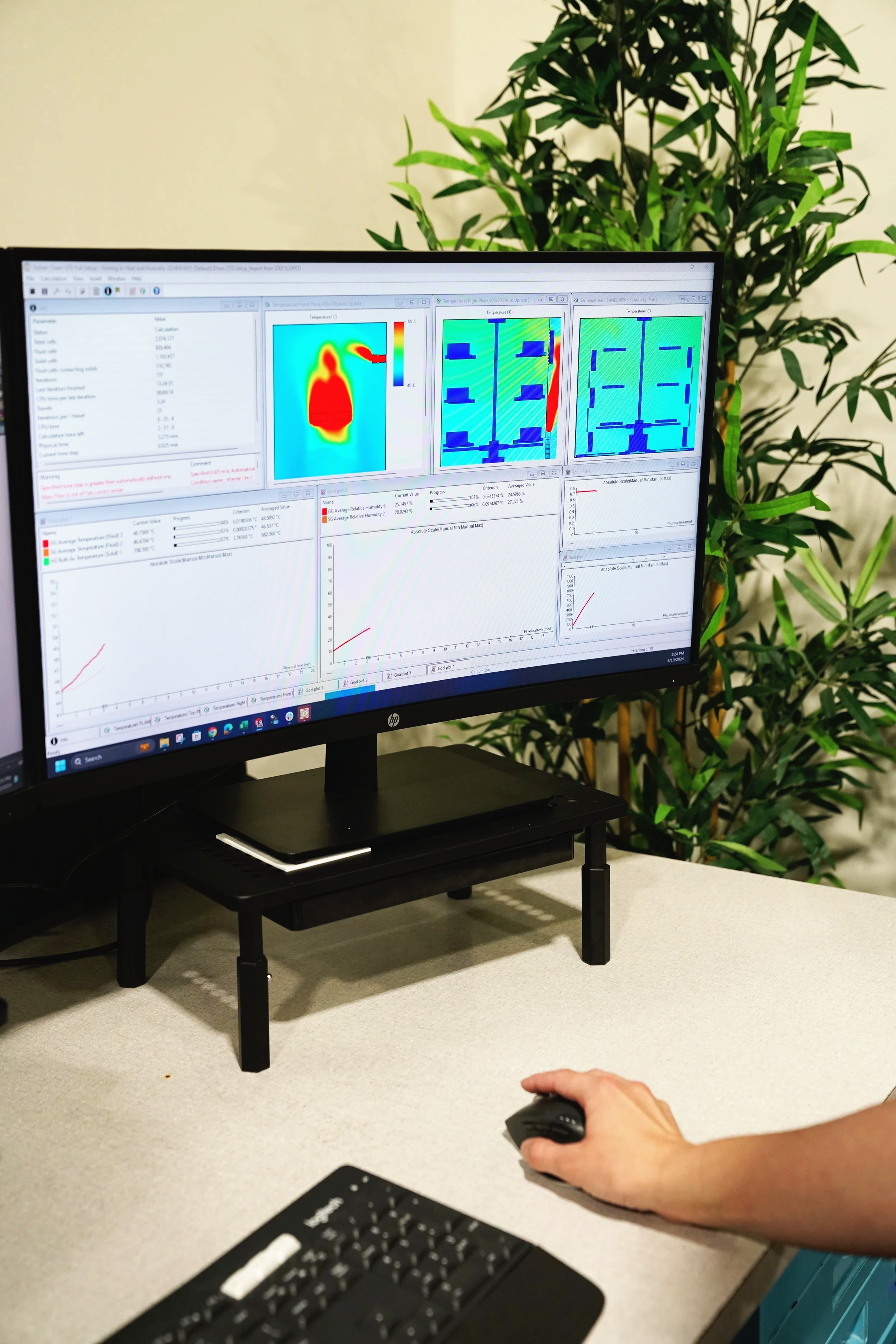
Want to learn more about engineering analysis?
Read our blog, Good Design Isn’t Guesswork. It Starts with Engineering Analysis, where we take a closer look at the different types of engineering analysis and how they’re used throughout the design process.