How to Protect a Product Idea: Intellectual Property and Patents Explained
Great ideas are exciting. They’re also easy to lose if they aren’t protected early. Whether you’re refining a product concept or moving toward a working design, intellectual property decisions often happen alongside design decisions. Knowing when patents come into play and how they fit into the product development process can help you avoid common missteps and move forward with confidence. Understanding intellectual property early allows you to protect your idea without slowing down progress or locking yourself into decisions too soon.
What is Intellectual Property?
Intellectual property protects the ideas, designs, and inventions you create.
In product development, this most often includes patents that protect how a product works or how it looks.
Protecting intellectual property helps preserve the value of your work, prevents others from copying or commercializing your idea, and creates a foundation for future growth.
Why is Intellectual Property Important for New Products?
Creating a new product requires real investment. Time, problem solving, testing, and often significant financial resources go into turning an idea into something tangible.
A granted patent gives you exclusive rights to make, use, and sell your invention. It can protect your idea from being copied, provide legal grounding if infringement occurs, and add credibility when speaking with investors, partners, or licensing opportunities.
Not every idea needs a patent, but understanding when protection makes sense allows you to make strategic decisions rather than reactive ones.
When Should You Patent a Product Idea?
Patents work best when they align with where you are in the design process.
Most products begin with exploration. Has this idea been done before? Is there a reason it hasn’t? What budget makes sense? What is the end goal? Working with an experienced designer under an NDA can help clarify feasibility, uncover design challenges, and set expectations early on.
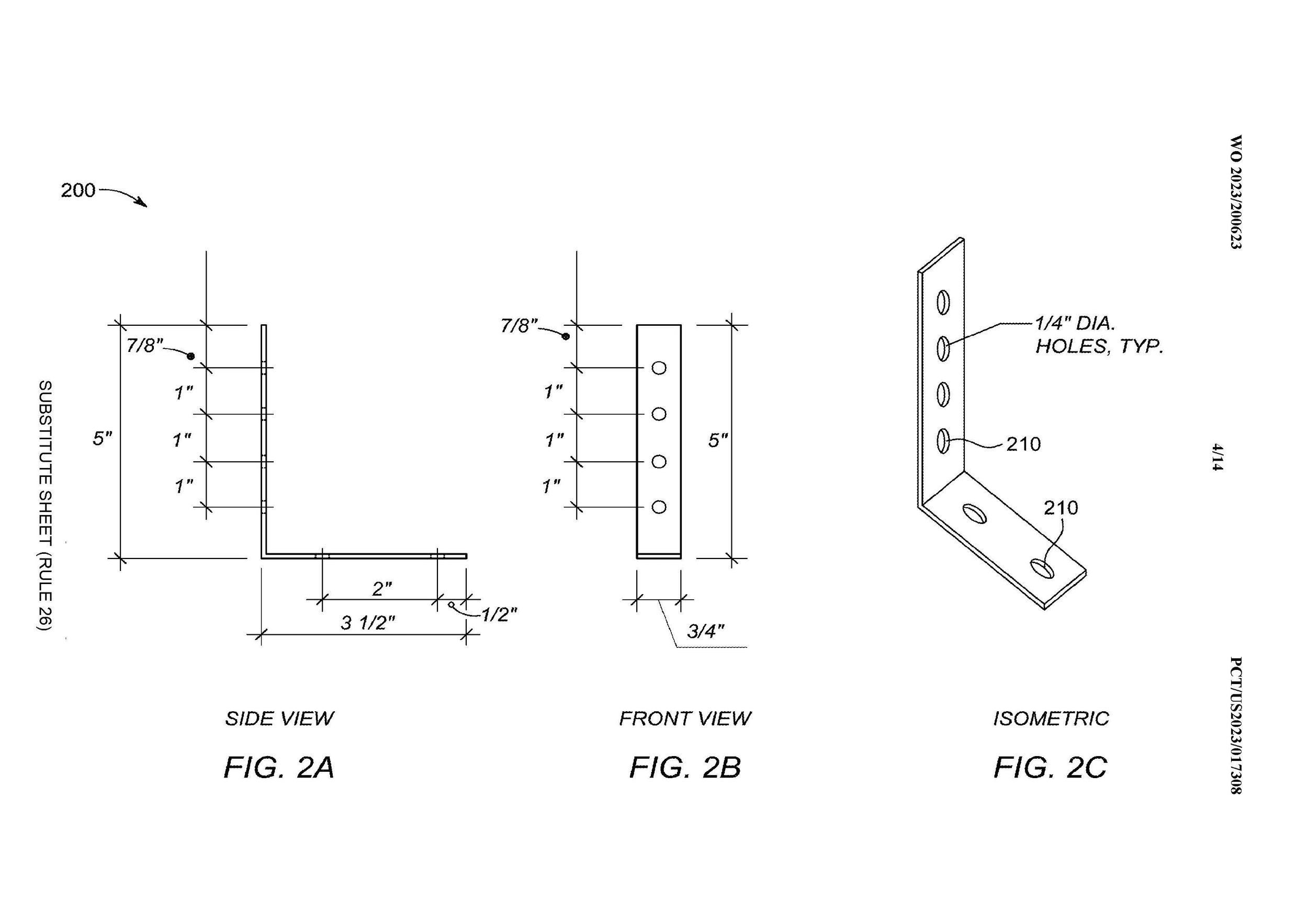
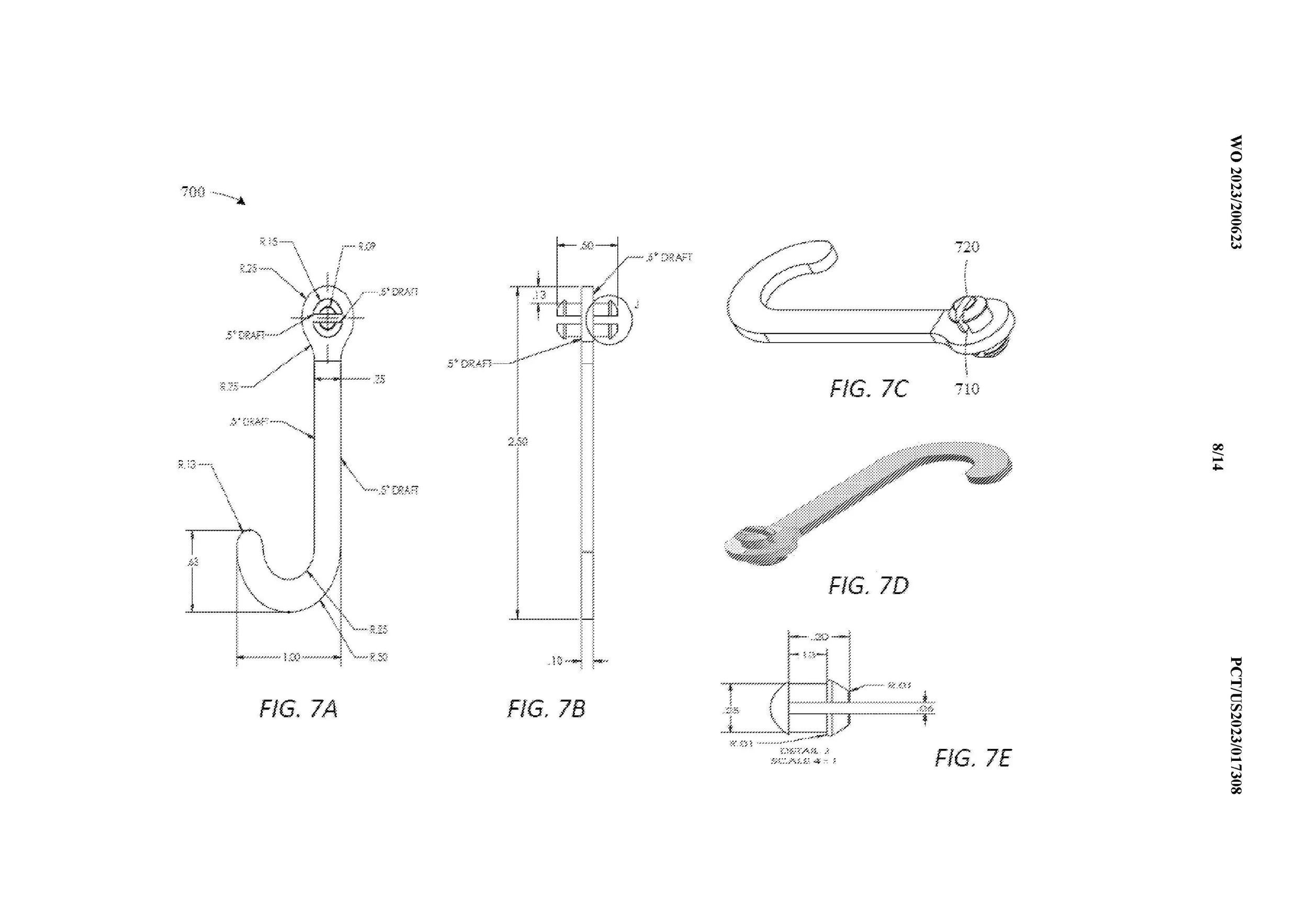
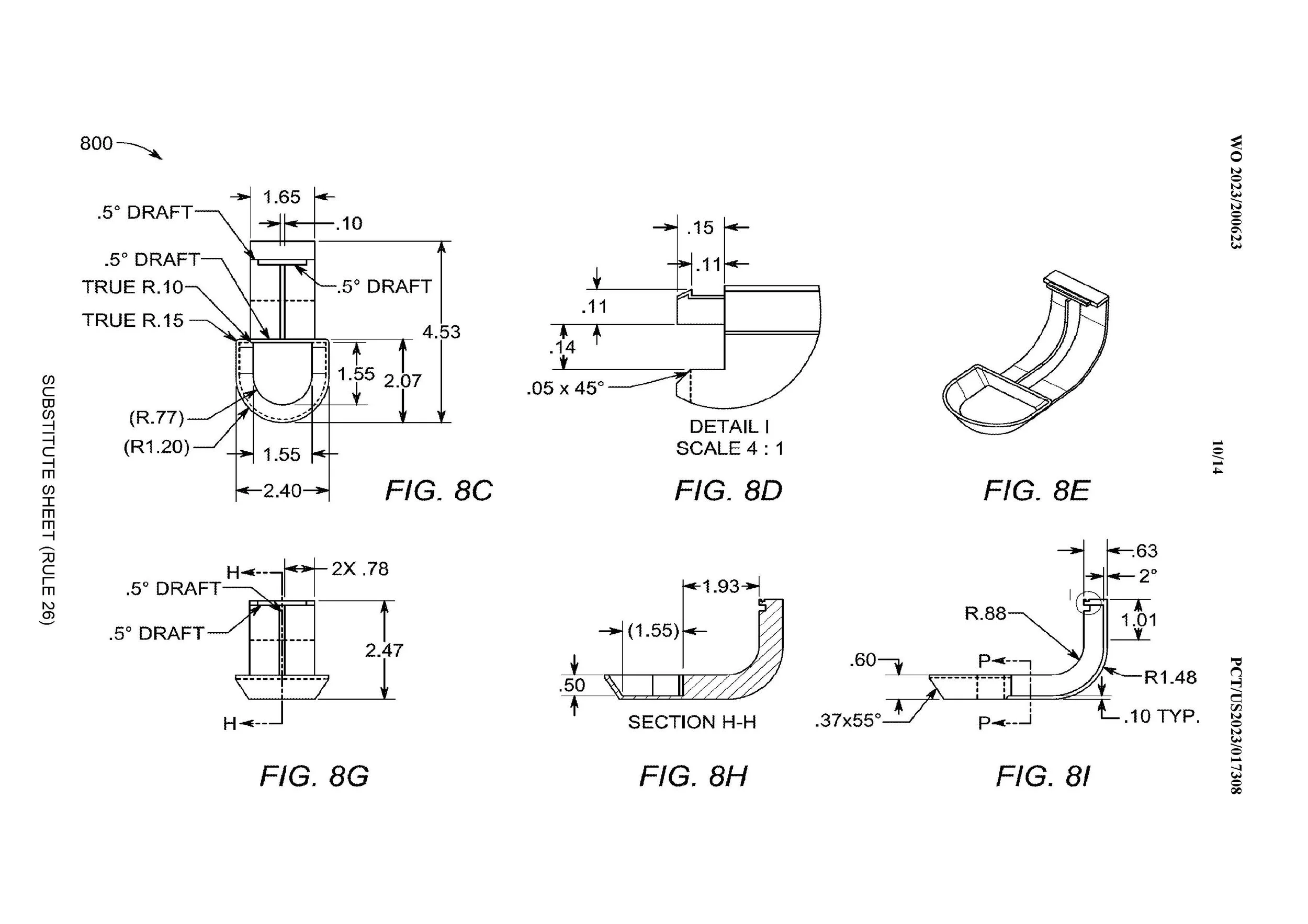
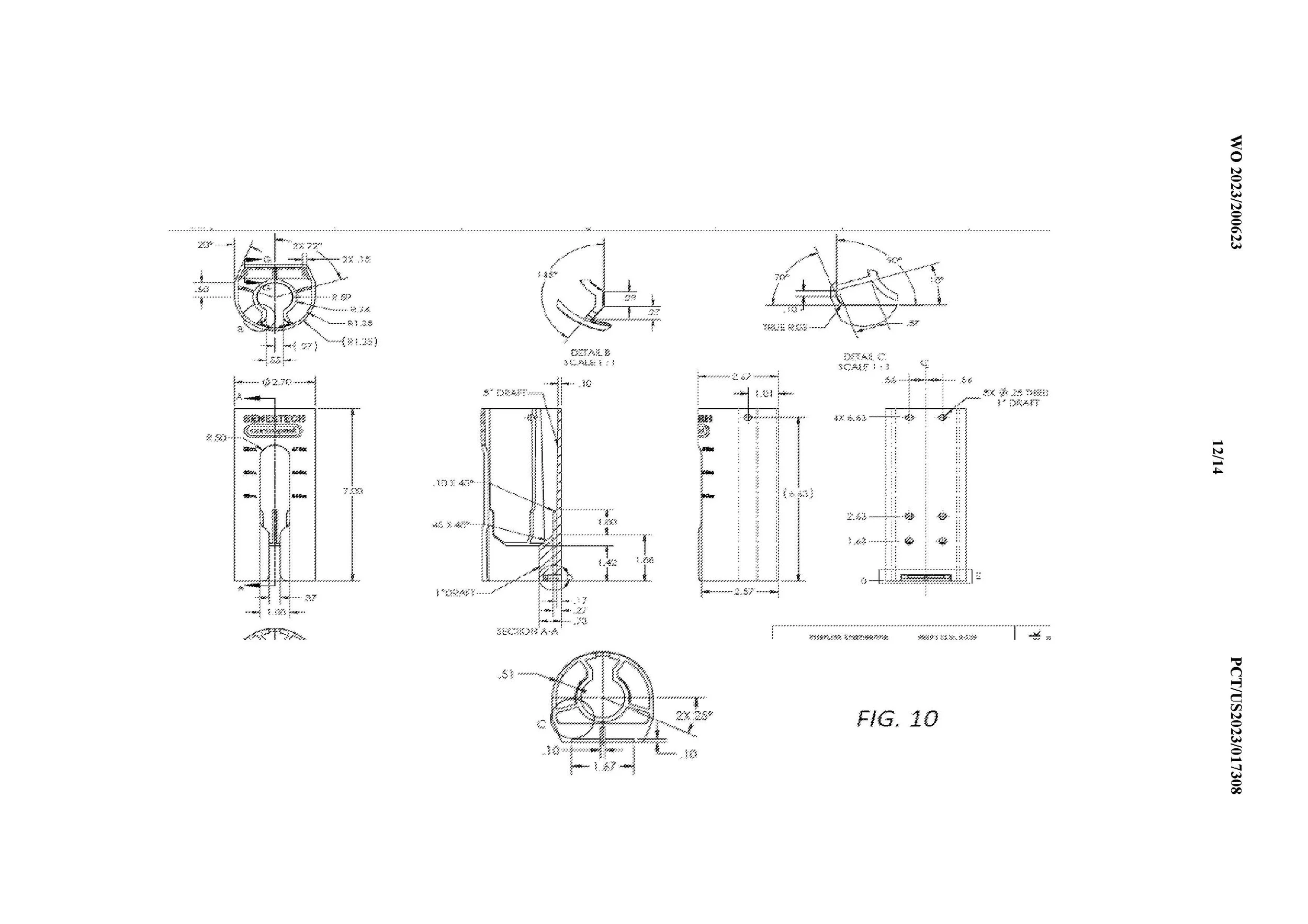
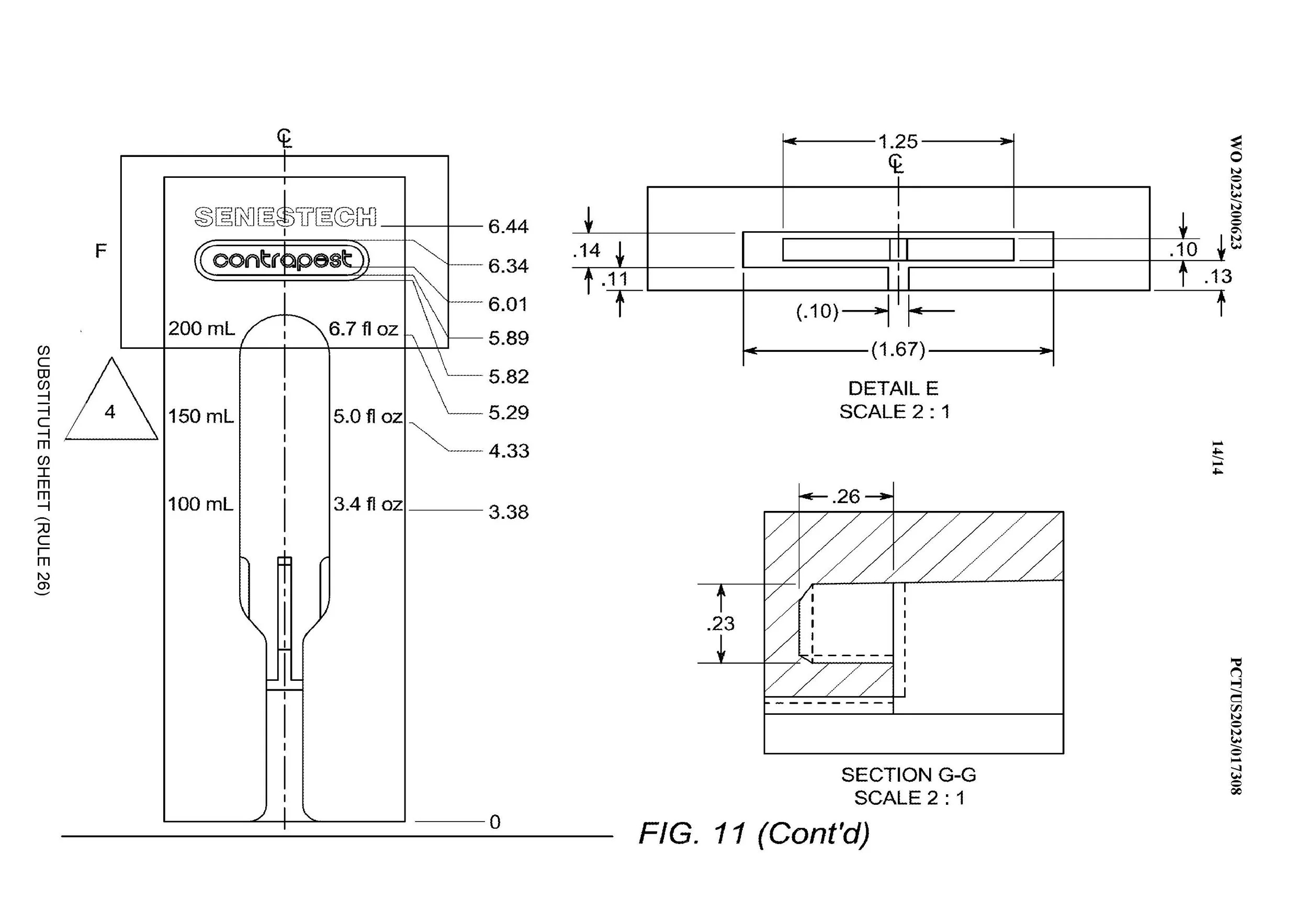
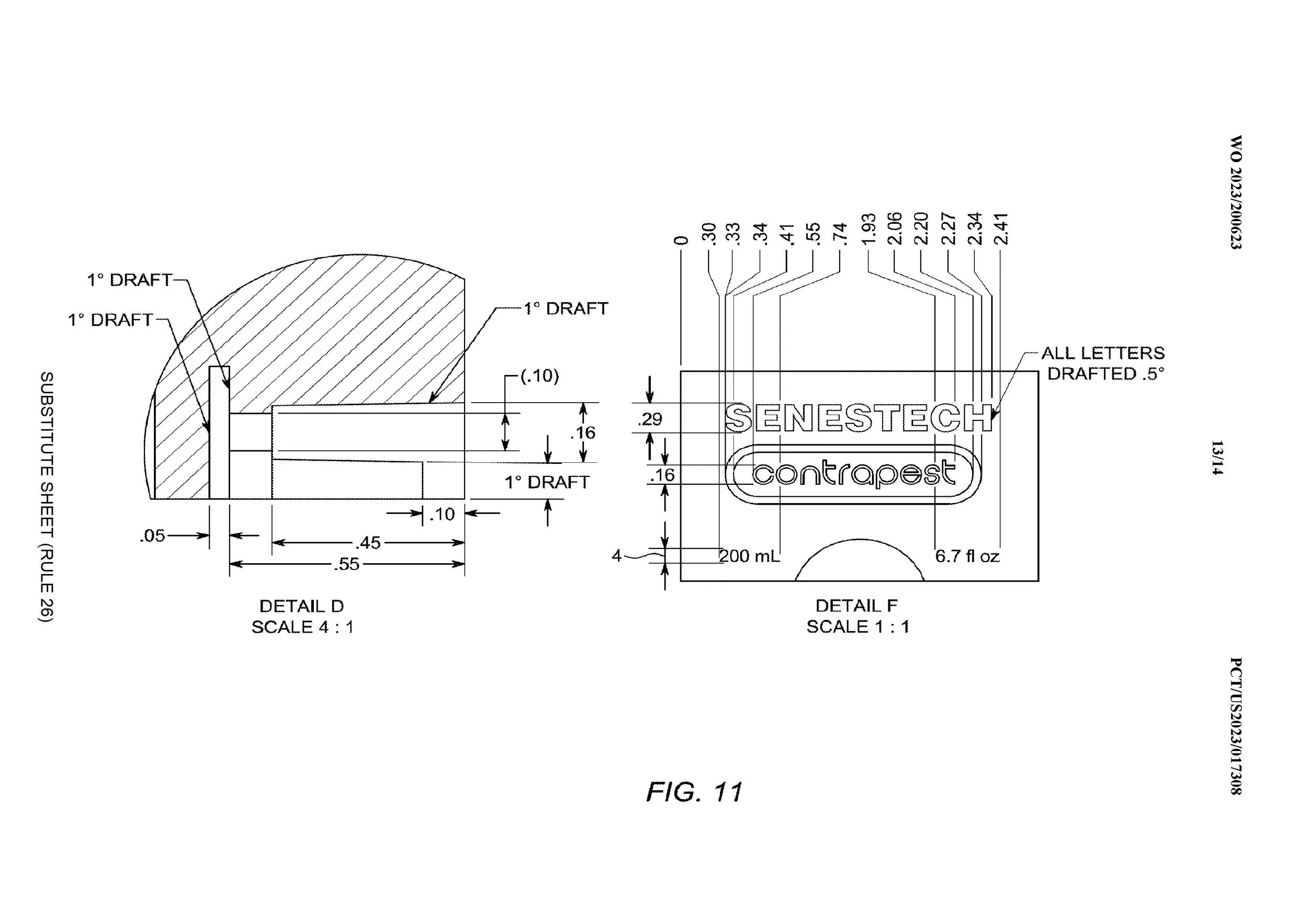
Once a general design direction exists, patent conversations typically begin. At this stage, patent filings rely on visuals that communicate the core concept of the invention. These visuals are not meant to be fully detailed or manufacturing ready. Their purpose is to define what makes the idea unique while allowing room for refinement.
As the design progresses, products become more detailed and manufacturing focused. Prototypes are tested, materials are refined, and revisions happen. This is expected. When changes affect how a product functions or appears, it’s important to revisit how those updates relate to your intellectual property strategy.
In short:
Patent discussions usually begin once a general design exists, but before an idea is publicly shared.
How Does the Patent Process Work?
Patents take time, and understanding the process upfront helps set realistic expectations.
Application phase:
Once your concept is developed enough to be clearly described, a patent attorney or agent prepares and files the application. This stage typically takes about a month, depending on complexity and documentation clarity.
Examination phase:
After filing, the application is reviewed by the U.S. Patent and Trademark Office. This phase often takes two to three years and may include requests for clarification or revisions. Your attorney manages this back and forth to define the scope of protection.
Maintenance phase:
Once approved, patents require maintenance fees at scheduled intervals to remain active and enforceable. Missing these deadlines can result in early expiration.
What Type of Patent Is Right for Your Product?
Once you understand how the patent process works, the next step is determining what type of patent protection makes sense for your product. Not all patents protect the same aspects of an invention, and the right approach depends on what makes your design unique and how it’s expected to evolve. There are two types of patents we see most:
Utility patents, which protect how something works, are typically pursued once a functional design or prototype exists.
Design patents, which protect how something looks, are usually filed once the aesthetic design is largely finalized.
The right patent type and timing depend on your product, goals, and how much flexibility you need as the design evolves.
How Much Does a Patent Cost?
Patent costs vary widely depending on the type of invention, its complexity, and the scope of protection needed.
Simple design patents may start in the low thousands, while more complex utility patents often require a larger investment over time, especially when responding to examiner feedback.
It’s also important to remember that patents are just one part of the overall product development budget. Design work, prototyping, manufacturing preparation, marketing, and business planning all play a role in bringing a product to market successfully.
How InterLink Engineering Helps
At InterLink Engineering, we support innovators throughout the product development journey, from early concepts to manufacturing ready designs. We understand how design decisions and revisions can impact intellectual property and work collaboratively to ensure design intent is clearly communicated.
If you don’t yet have a patent attorney, we can also connect you with trusted IP lawyers to help get the conversation started.
Have a new idea, navigating revisions, or unsure how intellectual property fits into your next steps? Reach out to us. We’re always happy to talk through your project and help you move forward with clarity and confidence.
Frequently Asked Questions About Intellectual Property
-
Once you have a general design direction and before your idea is publicly shared.
-
No. Most products go through early design exploration before patent conversations begin.
-
Utility patents protect how a product works. Design patents protect how a product looks.
-
The examination phase typically takes two to three years after filing.
-
Yes. Revisions are common, but changes affecting function or appearance should be reviewed with your design team and patent attorney.